 0
0
 0
0
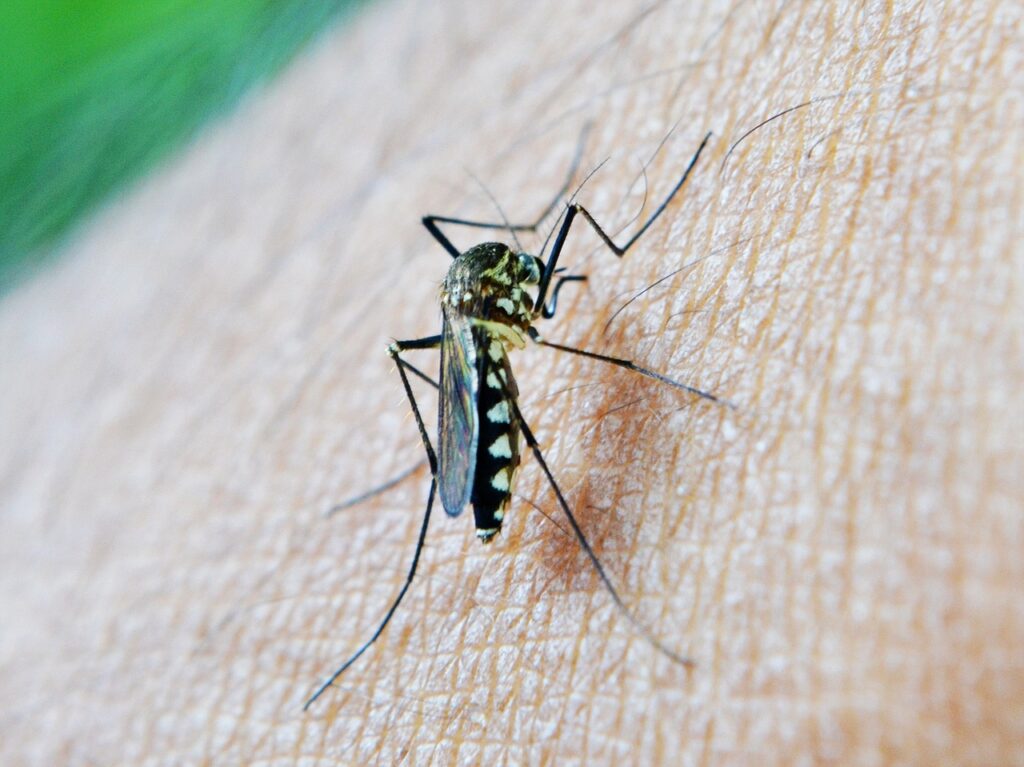
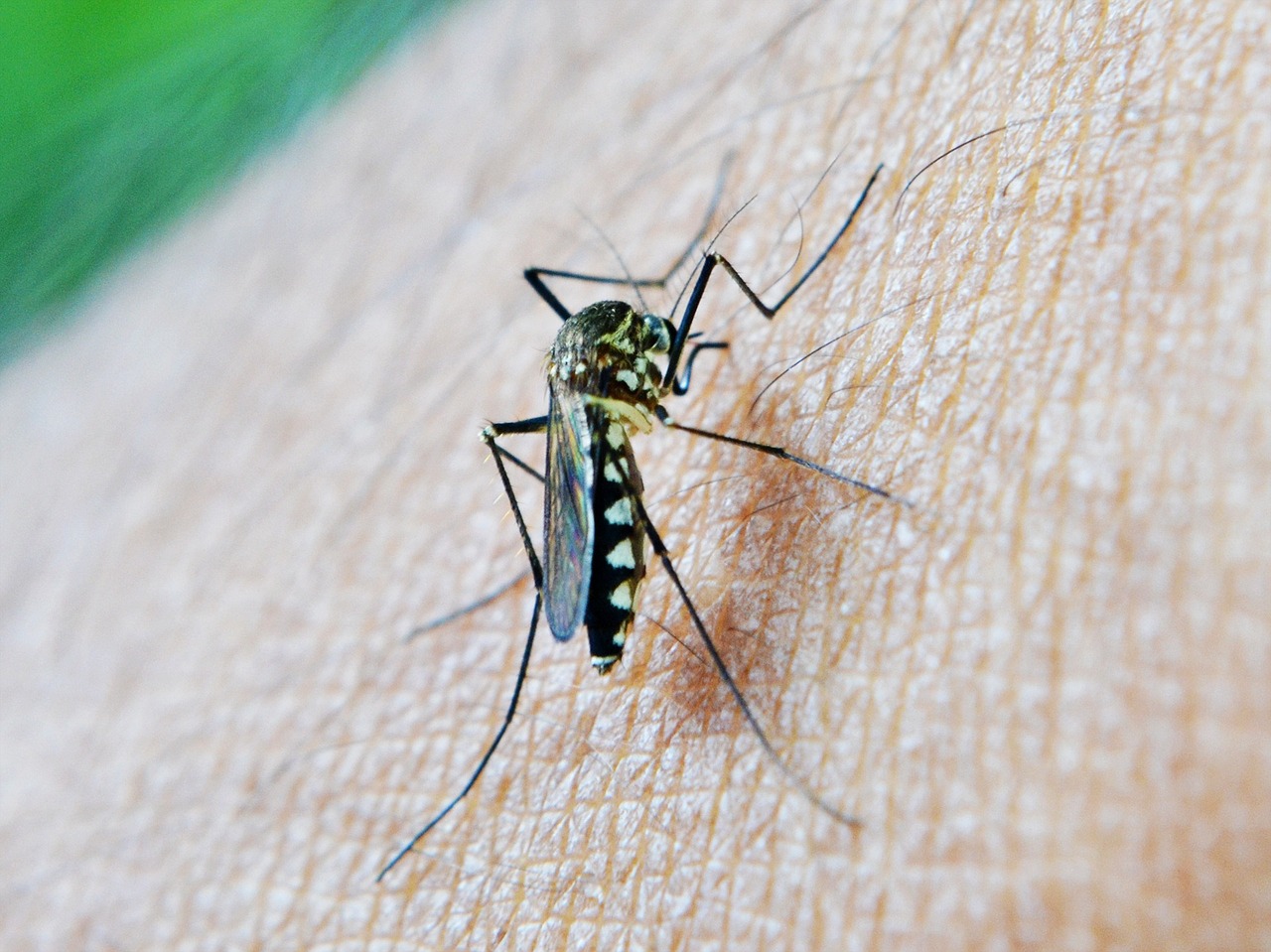
For years, many people have wondered why mosquitoes seem to target certain individuals while leaving others largely untouched. A growing body of research now suggests the answer lies in a specific mix of chemicals released by human skin, with one compound emerging as a particularly powerful attractant.
Anyone who has attended a summer barbecue has likely seen the phenomenon firsthand. One person repeatedly swats at mosquitoes while others sit comfortably nearby. By the next morning, that same individual may be covered in itchy welts and wondering what makes them such an easy target.
Researchers now believe the explanation may be found in the scents produced by the human body.
A 2026 study published in iScience and led by Rickard Ignell of the Swedish University of Agricultural Sciences examined how yellow fever mosquitoes respond to human odors. The research team tested 42 women and analyzed the chemical compounds emitted by their skin.
Out of as many as 1,000 different odors that humans can produce, the researchers identified 27 compounds linked to mosquito attraction. One stood out above the rest: 1-octen-3-ol, a substance often referred to as “mushroom alcohol” that is produced when skin oils break down.
People who emitted higher levels of 1-octen-3-ol proved significantly more attractive to Aedes aegypti, the mosquito species responsible for spreading dengue fever, Zika virus and yellow fever.
Pregnant women in their second trimester were among those found to produce the highest levels of the compound.
Beer and pregnancy may alter mosquito appeal
Researchers have also identified beer consumption as a notable factor affecting mosquito attraction.
In a Dutch festival study published on the preprint platform bioRxiv, scientists asked 465 volunteers to place a bare forearm inside a cage containing Anopheles mosquitoes, the group of mosquitoes that transmits malaria.
Participants who had consumed beer within the previous 24 hours were about 1.35 times more attractive to the insects than those who had not drunk beer.
The researchers linked the effect to changes in body temperature, exhaled carbon dioxide and skin odor.
Pregnancy appears to influence mosquito attraction through similar mechanisms. In the Ignell study, women in their second trimester released higher levels of 1-octen-3-ol and were bitten more frequently. The findings support earlier field research showing that pregnant women in malaria-prone regions tend to experience more mosquito bites.
Different mosquito species prefer different people
A second iScience study published in 2026 suggests that mosquito preferences are even more complex.
Researchers at Florida International University exposed 119 volunteers to three disease-carrying mosquito species. Surprisingly, no single participant emerged as the favorite target of all three species.
The team, led by mosquito neurobiologist Kaylee Marrero, tested Aedes aegypti, the Asian tiger mosquito and the southern house mosquito. Each species responded to a different blend of odors produced by human skin.
Scientists believe skin microbes play a major role in shaping those scents. According to the study, Aedes aegypti and the southern house mosquito preferred people with lower overall levels of skin odor. A strain of Staphylococcus bacteria was commonly found among individuals who were highly attractive to all three mosquito species.
The blood type theory remains unproven
The popular belief that blood type determines mosquito attractiveness appears to have little scientific support.
Frederic Simard of the French Research Institute for Development told France 24 that the theory has “no scientific basis,” noting that the few studies behind the claim involved very small numbers of participants.
Researchers are now exploring whether specific skin microbes could be used to develop improved repellents or more effective mosquito traps.
For now, public health experts continue to recommend traditional protective measures: covering exposed skin during dusk hours, using EPA-registered insect repellents, and sleeping under mosquito nets in regions where mosquito-borne diseases are common.
As scientists learn more about the chemistry behind mosquito attraction, the mystery of why some people are irresistible to these insects may finally be coming into focus.
- source: einfachschoen.de/picture: pixabay.com



This post has already been read 971 times!